
Cute-Looking Office Chairs and Park Benches, Bud. But Are They Breaking Your Back?
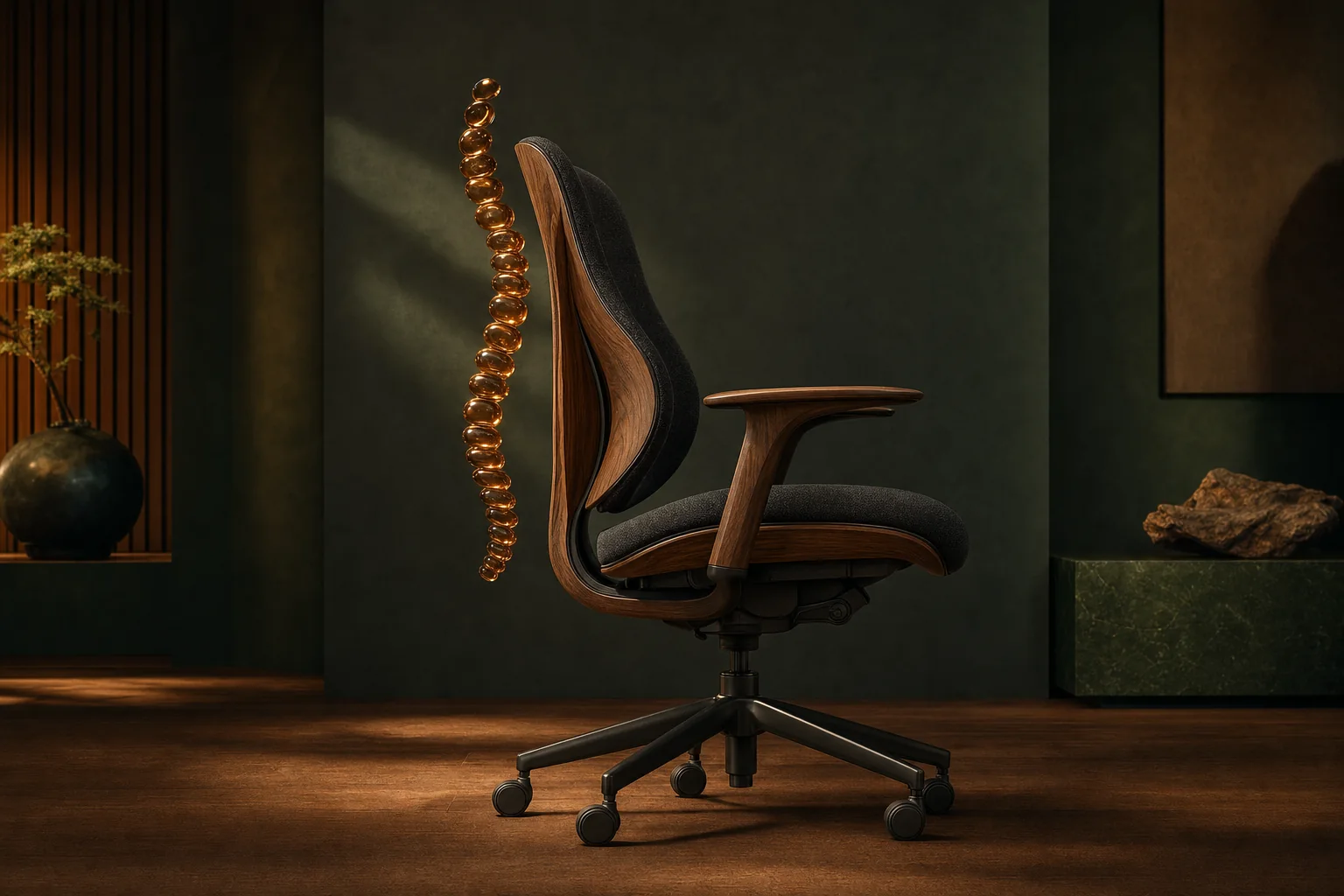
Ah, the modern workplace! Sleek interiors, mood lighting, indoor plants with better grooming than most employees, and chairs that look like they've been borrowed from a Scandinavian design museum. Somewhere near the window sits a charming little bench, tastefully upholstered and strategically positioned for those spontaneous brainstorming sessions nobody actually asked for.
Everything looks fabulous. Your spine, however, may have a few complaints.
Office design has undergone a remarkable transformation over the years. Workplaces are becoming more colourful, collaborative, and Instagram-worthy. Ergonomics, unfortunately, doesn't always receive an invitation to the design meeting. A beautifully sculpted chair might offer inadequate lumbar support, a trendy communal table could encourage awkward working positions, and that delightful little bench might be perfectly suited for a photograph but rather less accommodating during a two-hour discussion about quarterly targets.
The human body was never particularly enthusiastic about remaining in one position for eight hours. Prolonged sitting, repetitive movements, poorly arranged workstations, and insufficient opportunities to move can contribute to musculoskeletal discomfort. And the consequences aren't exactly trivial. According to the World Health Organization, approximately 1.71 billion people worldwide live with musculoskeletal conditions, with low back pain being the single leading cause of disability across 160 countries. Of course, office furniture isn't responsible for all of that. But it would be rather optimistic to assume workplace design has no part to play.
Perhaps the greater irony is that organisations routinely spend considerable sums creating spaces intended to make employees feel comfortable, without always examining whether those spaces actually support their physical wellbeing. A chair may look magnificent in a corporate brochure while its occupant quietly develops neck stiffness, shoulder discomfort, or recurring back pain. Eventually, the employee visits a physiotherapist, receives advice on posture and movement, and returns to precisely the same workstation that may have contributed to the problem. An impressively circular arrangement, though hardly the kind of sustainability anyone intended.
Good ergonomics needn't mean replacing every stylish chair with something resembling equipment from a spacecraft. Adjustable seating, appropriately positioned monitors, sensible desk heights, opportunities to change posture, and regular movement can make a meaningful difference. More importantly, employees should be able to raise discomfort early, with organisations willing to investigate working conditions rather than treating every aching back as an individual inconvenience.
After all, a beautiful office is worth having. But the people working inside it deserve more than visual appeal. They deserve workplaces designed around the bodies occupying them, rather than bodies expected to adapt endlessly to fashionable furniture.
Let the office furniture turn heads. Just make sure it isn't twisting spines in the process.